Predictive Maintenance
Every cleaning visit costs the same. The energy it recovers does not.
A solar panel starts losing output the day it is cleaned.
Dust, pollen, salt and bird droppings build a film that scatters light before it reaches the cell. Nothing alarms and no fault code is raised — generation simply drifts below what the weather says the site should be producing.
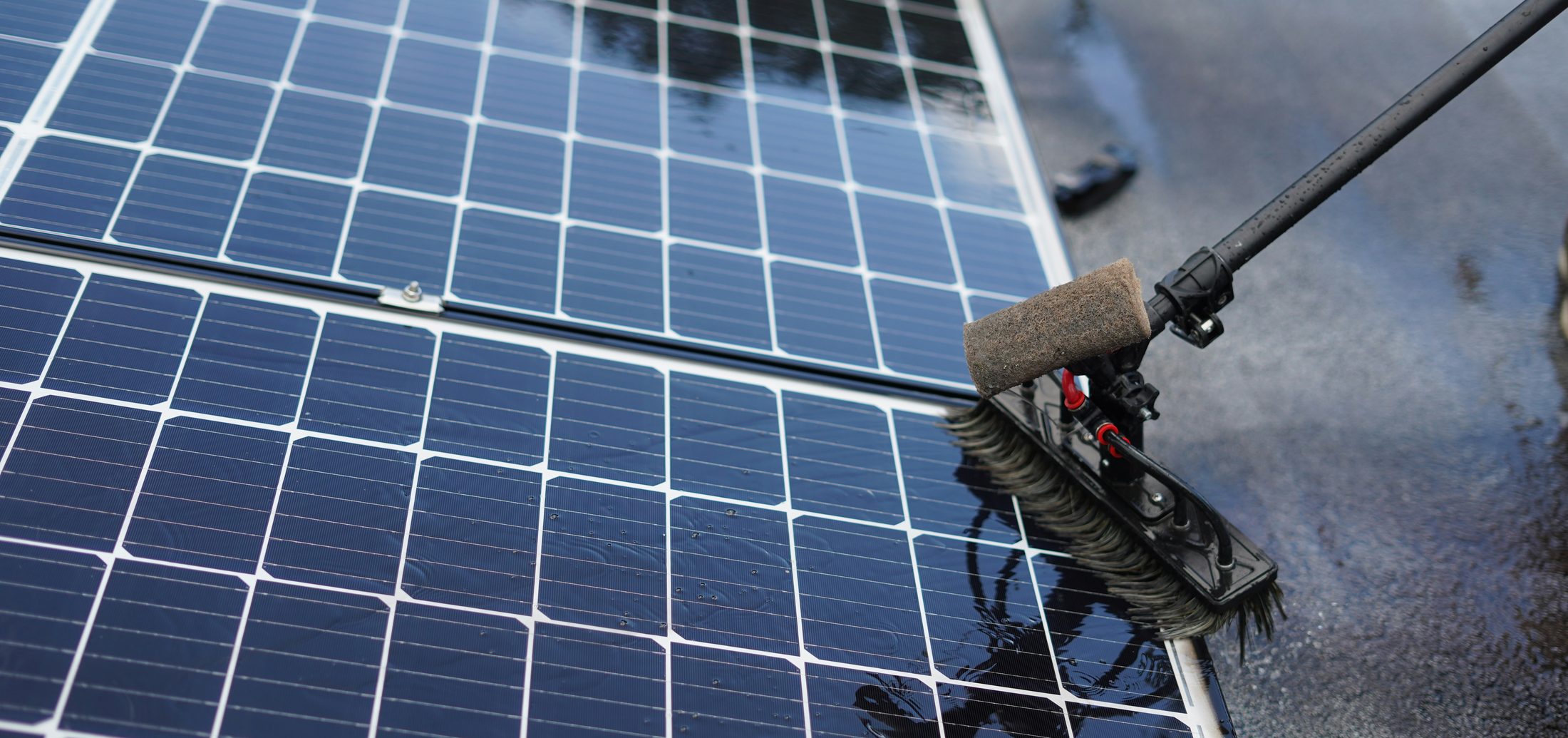
Cleaning is charged by the visit: crews, water, access equipment and, on a roof, the time it takes to make the site safe. A fixed calendar washes arrays that were still clean and leaves dirty ones waiting another quarter.
The drift also biases every forecast. A schedule that ignores soiling promises volume the site cannot deliver, and the shortfall settles at the imbalance price, every sunny interval, until someone cleans the array.
We measure soiling as the gap between what a site generates and what the weather says it should, then separate that gap from cloud, temperature, shading and inverter faults — the same residual our forecasting work is built on.
We project that gap forward, including the rain that will clean an array for nothing. We correct the forecast with it, and weigh the energy a visit would recover against what the visit costs.
The result is a schedule: which arrays, which week, and what each visit is worth. Forecasts match what the array can deliver today, and the maintenance budget goes where it returns the most energy.